Common Reasons Your Period Might Be Late
Wondering why your period is late? You’re not alone. A late period can be stressful, especially if your cycle is usually predictable. While pregnancy is one possibility, it’s far from the only reason. Stress, lifestyle changes, hormonal imbalances, and certain health conditions can all affect when your period arrives.
If you’re asking yourself, “Can stress delay your period?”, the short answer is yes. Let’s explore why this happens, other common reasons your period might be late, and when it’s time to take a pregnancy test or talk with a healthcare provider.
Can Stress Delay Your Period?
Yes. Stress is one of the most common reasons for a late or missed period.
When you’re under significant emotional or physical stress, your body produces higher levels of cortisol, often called the stress hormone. Elevated cortisol can interfere with the hypothalamus, the part of your brain that helps regulate your menstrual cycle. As a result, ovulation may happen later than usual or not occur at all during that cycle, delaying your period.
Stress can come from many situations, including:
- Major life changes
- School or work pressures
- Relationship challenges
- Financial concerns
- Grief or loss
- Illness or injury
The good news is that once stress levels decrease, many people’s cycles return to their usual pattern. However, if stress becomes chronic, it can continue to affect your menstrual cycle.
Other Common Reasons Your Period Might Be Late
1. Pregnancy
Pregnancy is one of the first possibilities many people think of when their period is late. If you’ve had vaginal sex recently and your period is delayed, taking a pregnancy test is a good next step.
Keep in mind that home pregnancy tests are most accurate after you’ve missed your period, although some can detect pregnancy earlier.
2. Changes in Weight
Significant weight loss or gain can affect hormone production and ovulation.
Examples include:
- Rapid weight loss
- Restrictive eating
- Significant weight gain
- Eating disorders
Your body needs adequate nutrition and body fat to maintain a regular menstrual cycle.
3. Intense Exercise
While regular physical activity is healthy, excessive exercise without enough calories can disrupt hormone levels and delay ovulation.
This is more common in endurance athletes, dancers, and people participating in high-intensity training.
4. Hormonal Conditions
Several medical conditions can cause irregular or missed periods, including:
- Polycystic ovary syndrome (PCOS)
- Thyroid disorders
- Premature ovarian insufficiency
- Elevated prolactin levels
These conditions affect the hormones responsible for regulating your menstrual cycle.
5. Birth Control Changes
Starting, stopping, or changing hormonal birth control can temporarily affect your cycle.
It’s not unusual for periods to be lighter, irregular, or absent for a few months after stopping hormonal contraception as your body adjusts.
6. Perimenopause
For women in their 40s (and sometimes earlier), hormonal changes leading up to menopause can cause irregular cycles, skipped periods, or changes in menstrual flow.
Can Anxiety Cause a Late Period?
Yes. Anxiety is closely linked with stress and can have a similar effect on your menstrual cycle.
Ongoing anxiety may contribute to:
- Delayed ovulation
- Missed periods
- Changes in menstrual flow
- More painful periods
If anxiety is interfering with your daily life or affecting your physical health, talking with a healthcare professional can help.
How Late Is Too Late for a Period?
Every person’s cycle is different.
A typical menstrual cycle lasts 21 to 35 days, although some people naturally have longer or shorter cycles.
Consider reaching out to a healthcare provider if:
- Your period is more than one week late and pregnancy is possible.
- You’ve missed three or more periods without explanation.
- Your periods suddenly become very irregular.
- You experience severe pain, heavy bleeding, fever, or unusual discharge.
Should You Take a Pregnancy Test?
If you’ve missed your period and there’s any possibility you could be pregnant, taking a pregnancy test is a wise next step.
For the most accurate results:
- Test after your missed period.
- Use your first morning urine when possible.
- Follow the instructions carefully.
- If the result is negative but your period still doesn’t start within a few days, consider testing again or speaking with a healthcare provider.
No pregnancy test is 100% accurate, especially very early in pregnancy.
What If Your Pregnancy Test Is Positive?
A positive pregnancy test can bring many emotions, especially if the pregnancy was unexpected. Whatever you’re feeling, you don’t have to navigate it alone.
At Zoe, A Women’s Center, we provide free, evidence-based pregnancy services in a respectful and compassionate environment.
Our services include:
- Free pregnancy testing
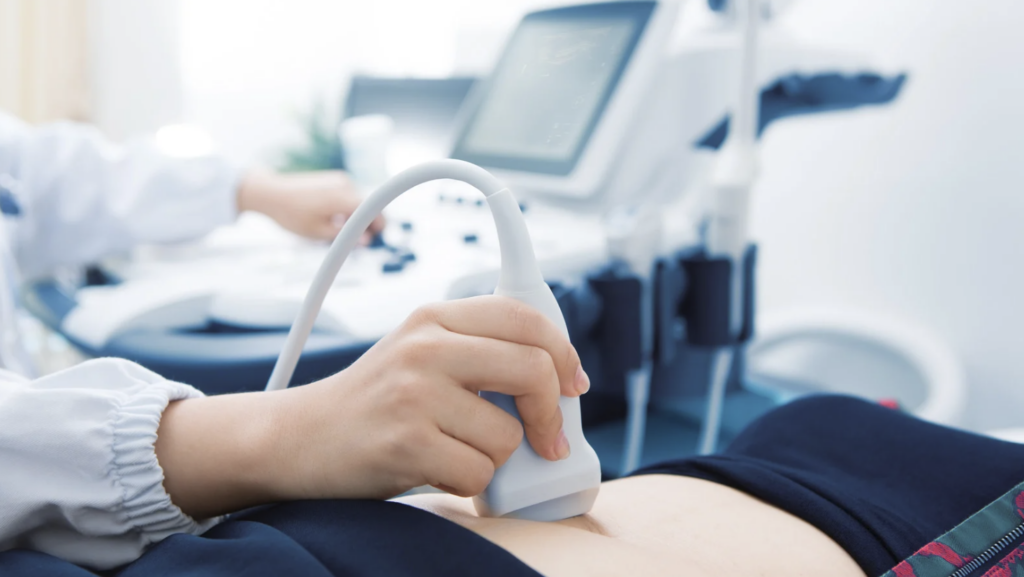
- Limited obstetrical ultrasound (when medically appropriate)
- Options education
- Client advocacy
- Information about community resources and support
Our desire is to empower you with accurate information so you can make a decision you can live with.
You’re Not Alone
A late period can leave you with questions, but you’re not alone in wondering what’s happening. Whether your cycle has changed because of stress, a hormonal shift, or pregnancy, getting accurate information can help you move forward with confidence.
If you think you might be pregnant, Zoe, A Women’s Center is here to provide free, evidence-based pregnancy services in a compassionate, judgment-free environment. Contact us today to schedule a confidential appointment and get the answers you need.
Please note: Zoe, A Women’s Center does not perform or refer for abortion.